Why You Need a Professional Arborist in Tree Management: Explore Their Expert Services
Hiring an arborist is vital for proper tree maintenance. With their focused knowledge, they can make for accurate assessments of tree health, controlling infestations, and proper pruning techniques. They also evaluate surrounding environmental conditions, customizing management strategies that ensure the long-term survival and security of the trees. Understanding the full range of services they offer can greatly impact the health of your landscape. Looking into their specialized offerings demonstrates how essential their role is in keeping your green space flourishing.
What Does an Arborist Do
Many people mistakenly believe tree care is straightforward, looking closely at the arborist's role shows a profession that is significantly broader than basic maintenance. Professional arborists are expert technicians who specialize in tree well-being and security. Their knowledge covers identifying tree ailments, understanding pest management, and ensuring ideal cutting practices to promote optimal development.
Arborists also evaluate environmental factors that can affect tree health, such as the composition of the ground and nearby plant life. A significant part of their job is evaluating risk, especially in urban areas where trees might create risks to buildings and the public. Having expertise in tree life and local ordinances, arborists are fundamentally important in encouraging environmentally sound land management. Utilizing modern technology and skills, they help preserve the visual beauty and environmental harmony of green spaces. Therefore, the function of the arborist is vital for the sustained well-being and endurance of trees.
The Value of Arborist Inspections
When trees are assessed by a professional arborist, the benefits extend far beyond simple visual inspections. An in-depth tree inspection covers judging the general condition, stability of the structure, and any hazards the tree might pose. They use advanced instruments and skills to detect problems like sickness, insect invasions, and physical frailties that may not be visible to the untrained eye.
Moreover, professional assessments provide vital understanding of what every tree requires, providing personalized treatment that encourages lasting well-being. Taking this preventative measure works to avert future problems, reducing the likelihood of costly removals or damage to property. In addition, thorough inspections improve the well-being of the local area, as arborists can provide knowledgeable advice for upkeep or specialized treatment. In conclusion, investing in a professional tree assessment improves the lifespan and health of trees, fostering a healthy environment.
Safe and Effective Tree Pruning Techniques
Proper pruning is vital for maintaining tree health and aesthetics. Certified trimmers utilize specialized methods to make certain cuts are executed without risk and productively, reducing harm to the tree. Understanding these methods can significantly improve the durability and strength of trees in all settings.
Importance of Proper Pruning
Effective tree pruning plays an essential role in preserving the vitality and aesthetics of trees. Correct trimming methods aid in eliminating dead or diseased branches, enabling increased ventilation and sun exposure, which is key to the complete vigor of the tree. Moreover, planned cutting can enhance the tree's structure, lessening the possibility of injury during storms. Visually speaking, neatly cut trees add to the visual appeal of the landscape, offering a balanced look in residential and commercial settings (Florence Arborist). Furthermore, good cutting practices fosters vigorous growth and minimizes the likelihood of pest infestations. By employing the expertise of an arborist, tree owners can ensure their trees get the right care, in the end fostering durability and vigor in their greenery
Practices for Risk-Free Cutting
Appropriate practices for risk-free cutting are essential for achieving peak tree condition and protecting the well-being of the tree and the worker performing the work. Arborists emphasize the importance of employing sanitized, keen instruments to make precise cuts, which lowers the possibility of damage and harm to the tree. Appropriate cutting practices feature the three-cut method for larger branches, which stops the bark from ripping. It is also important to prune during the tree's resting phase to minimize stress. Arborists recommend removing no more than 25% of a tree’s foliage in a single session to prevent trauma. In addition, understanding tree growth patterns and avoiding cuts close to the trunk preserves the tree's structural soundness and fosters robust regeneration.
Diagnosing Ailments and Available Treatments
Pinpointing tree sicknesses calls for a sharp observation and a structured procedure, as each ailment can show distinct signs. Professional arborists employ their skill to pinpoint particular problems such as fungal infections, ailments caused by bacteria, and pest infestations. Arborists begin by copyrightining leaves, outer layer, and root systems, looking for discoloration, wilting, or atypical growth habits that might indicate a problem
(Florence Arborist)After a diagnosis is reached, arborists recommend appropriate treatment options suited precisely to the ailment. Remedies often involve applying fungicides or insecticides, using correct irrigation methods, or adjusting soil pH levels. Additionally, arborists often stress the necessity of ensuring comprehensive tree vitality through suitable nourishment and attention
Essential Nature of Tree Extraction and Stump Elimination

Tree removal and stump grinding are essential for ensuring security in outdoor spaces, as compromised or hazardous trees can create major risks. In addition, removing stumps can enhance the aesthetic appeal of the landscape and deterring future insect problems. Recognizing these elements underscores the importance of hiring a qualified arborist for successful tree management.
Safety Risks Assessment
Performing a comprehensive safety evaluation is essential when considering tree removal and stump grinding. The assessment pinpoints possible dangers, such as weak branches, proximity to structures, and subsurface infrastructure. Experts use their skill to establish the least risky procedure for removing trees, guaranteeing minimal risk to people and possessions. Experts copyrightine the health of the tree, nearby area, and current climate, all of which can influence safety during the removal process. Additionally, stump grinding presents its own set of risks, including the risk of harm from machinery or flying material. An extensive safety assessment mitigates these risks, allowing for a more efficient and safe execution of tree care services. Contracting a certified arborist ensures strict adherence to all safety procedures.
Improving the Look of Your Landscape
While maintaining a beautiful landscape boosts property value and curb appeal, the presence of dead or overgrown trees spoils the overall look. Tree removal is often crucial for revitalizing outdoor spaces, which allows more sunlight to penetrate and better growth for nearby vegetation. In addition, unsightly stumps can create visual clutter and present a risk of tripping. The process of stump grinding offers a remedy, effectively removing the remnants of felled trees and restoring the landscape's uninterrupted look. If you engage an arborist, homeowners can ensure that tree removal and stump grinding are executed with safety and efficiency. Such professional skill not only enhances visual appeal but also contributes to a healthier environment for existing plants, ultimately leading to a more inviting and attractive outdoor space.
Keeping Pests Away
A welcoming outdoor area can quickly be compromised by the presence of dead or decaying trees, which often serve as breeding grounds for pests. Such infestations often result in major damage, damaging the trees themselves as well but also to nearby structures and plants. An arborist is vital for spotting trees that pose a threat and deciding if removal is necessary. Additionally, stump grinding eliminates potential pest habitats left by uprooted trees, ensuring the landscape is better protected. Routine checks and preventative actions, such as tree removal and stump grinding, help maintain a healthy ecosystem, avoiding expensive pest problems. Ultimately, an experienced arborist ensures that your outdoor areas stay lively and free of pests, maintaining both the look and the ecological health.
Professional Guidance on Tree Location and Landscape Planning
Proper tree placement greatly boosts both the aesthetic appeal and ecological balance of a landscape. Arborists offer professional guidance on choosing trees that will flourish in particular settings, by evaluating factors including sunlight, climate, and soil type. They stress the necessity of adequate distance, ensuring that trees have adequate room to grow without competing for resources.
Moreover, arborists review the entire layout of an outdoor space, recommending tree placement that complements existing structures and foliage. This intentional positioning not only improves visual harmony but also helps biodiversity thrive by bringing in wildlife.
In addition, they offer guidance on tree placement to create natural windbreaks and shade, boosting the energy savings for nearby buildings. Drawing on their skills, homeowners are able to develop outdoor spaces that are both beautiful and sustainable, resulting in lasting contentment and environmental stewardship.
Ongoing Maintenance and Care for Tree Health
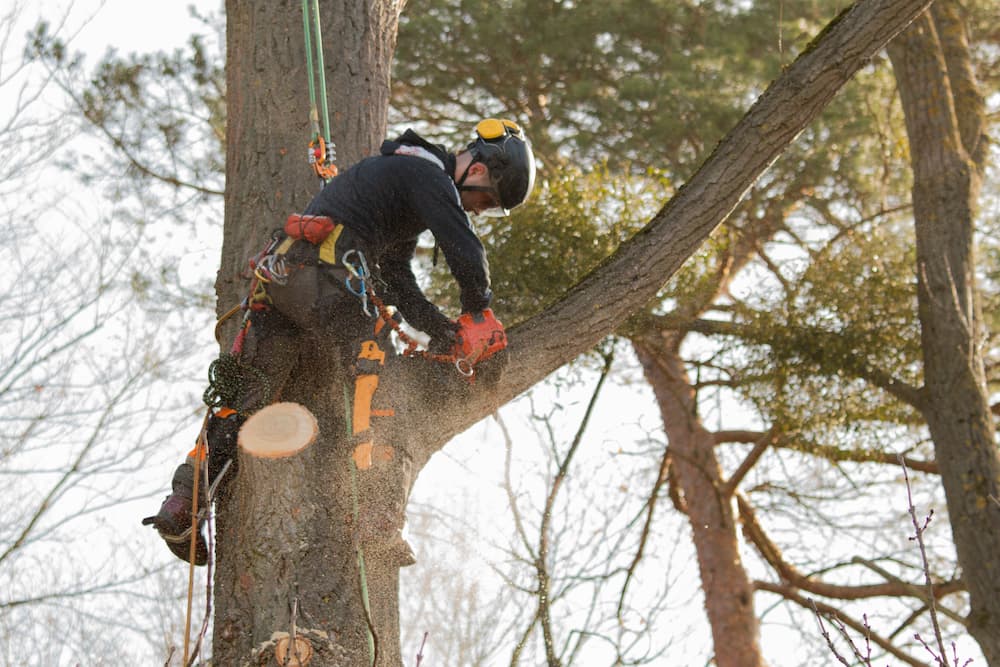
Ongoing maintenance is crucial for guaranteeing the sustained vitality and vigor of trees in any landscape. Tree specialists provide expert assistance that include periodic assessments, cutting, and insect mitigation, check this all aimed at promoting ideal growth and preventing disease. By monitoring tree conditions and soil health, they may recognize emerging concerns before they escalate, saving homeowners time and money.
Regular trimming assists in preserving the tree's form and taking away dead or unhealthy limbs, enabling greater movement of air and sunlight reaching the ground. Specialists further share knowledge on appropriate hydration practices and ground cover application strategies that improve the earth's condition. Furthermore, they are able to suggest nutrient application timelines customized for particular types of trees, guaranteeing they absorb vital elements.
Popular Questions and Answers
What is the best way to select a suitable arborist for What I Need Done?
In selecting a qualified tree specialist, one should verify credentials, evaluate their background, check client feedback, and request quotes. Moreover, detailing your exact needs ensures the chosen expert matches up with personal expectations and tree care requirements.
What Qualifications Are Important in a Tree Care Professional?
When selecting an arborist, one should look for certifications such as ISA (International Society of Arboriculture certification), TCIA (Tree Care Industry Association accreditation), and regional permits, guaranteeing the specialist has the essential training and proficiency.
What is the recommended frequency for hiring a tree specialist for Tree Care?
You should employ an arborist yearly for routine maintenance, though more frequent visits may be necessary for younger trees or those with specific health concerns, guaranteeing optimal development and a long lifespan.
Are Tree Specialists Able to Assist With Legal Matters Concerning Trees?
Absolutely, tree specialists are able to help with legal matters pertaining to trees (Florence Arborist). They provide expert assessments, documentation, and testimony concerning the vitality, security, and care of trees, helping resolve disputes related to property lines, liability, and local regulations effectively
What Happens During an Initial Consultation With an Arborist?
In the first meeting, the arborist evaluates the condition of the tree, addresses your issues, offers suggestions, and details necessary work. Clients should look forward to a detailed inspection and receive specialized recommendations focused on their individual tree care issues.
Comments on “Certified Cabling & Bracing Florence County”